
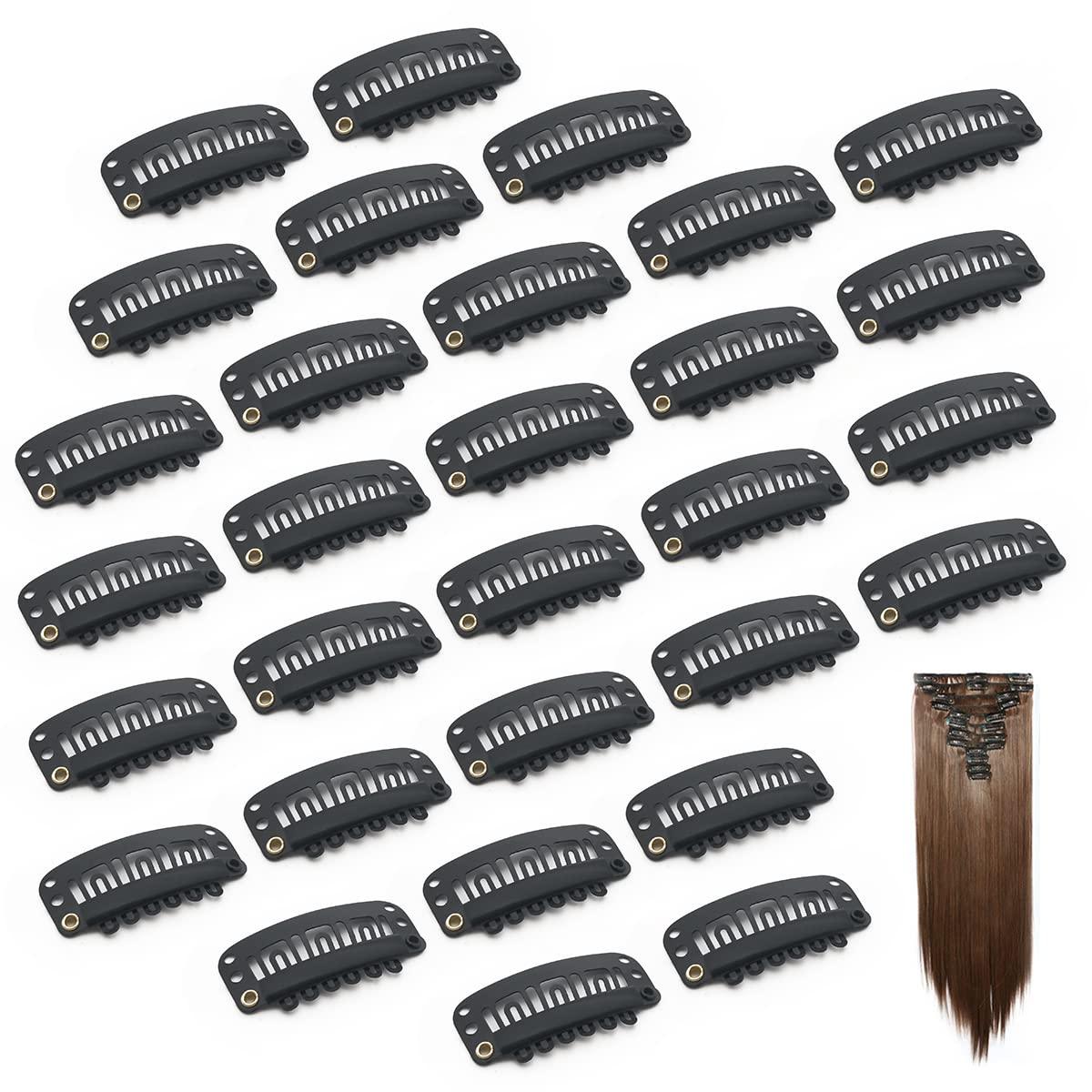
Title: Understanding Wig Clips: A Comprehensive Analysis of Material Composition
In the ever-evolving world of hair enhancements and styling solutions, wig clips have emerged as essential tools for individuals seeking both convenience and versatility. As users increasingly gravitate towards innovative options for securing wigs and hairpieces, it becomes imperative to examine the materials employed in their construction—specifically the nature of wig clips. This article seeks to provide an in-depth exploration of whether wig clips are predominantly metal, examining their manufacturing processes, material properties, and implications for user experience. By taking a closer look at the advantages and disadvantages associated with metal and alternative materials, we aim to equip readers with the knowledge necessary to make informed decisions in selecting wig clips that meet their specific needs and preferences.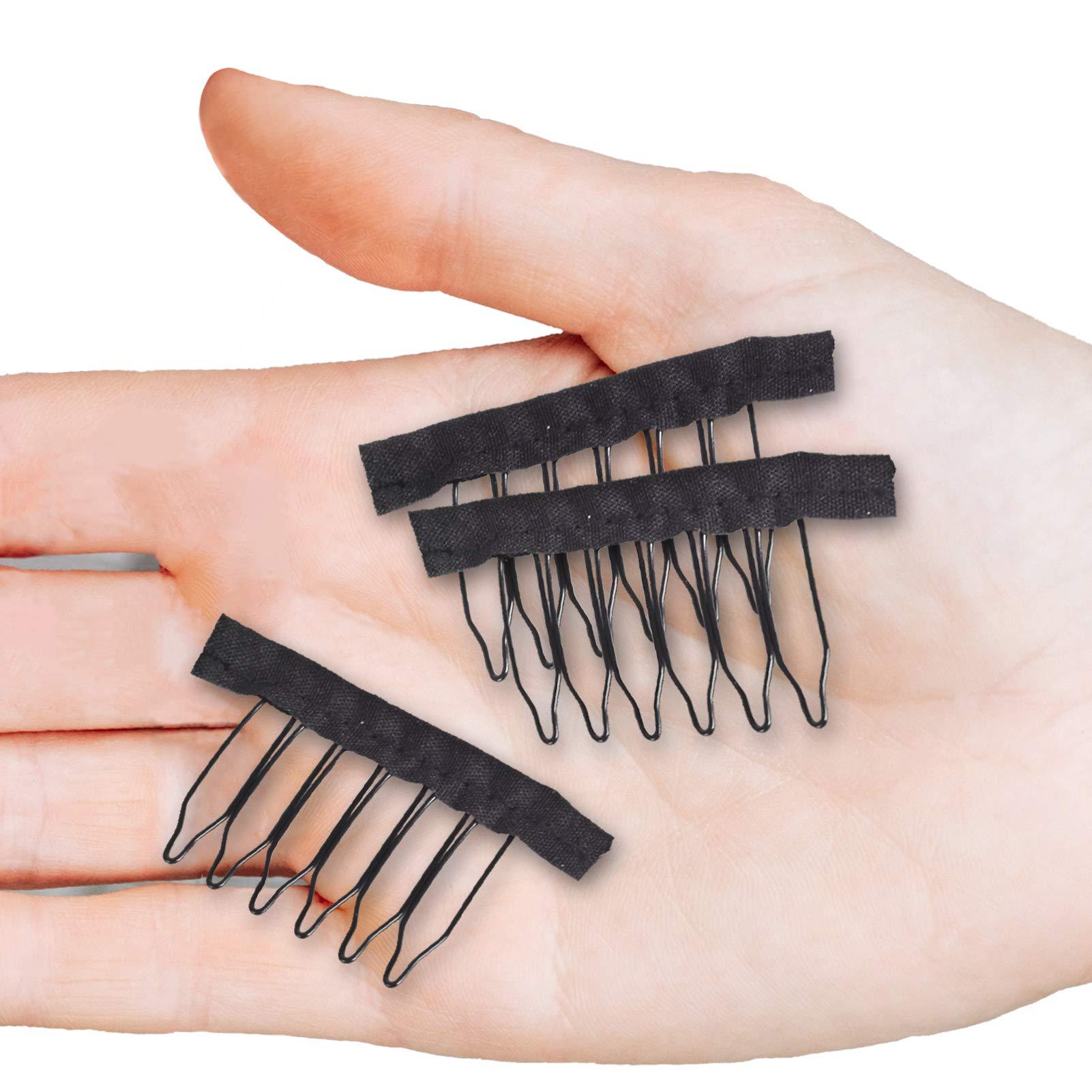
Understanding the Composition of Wig Clips
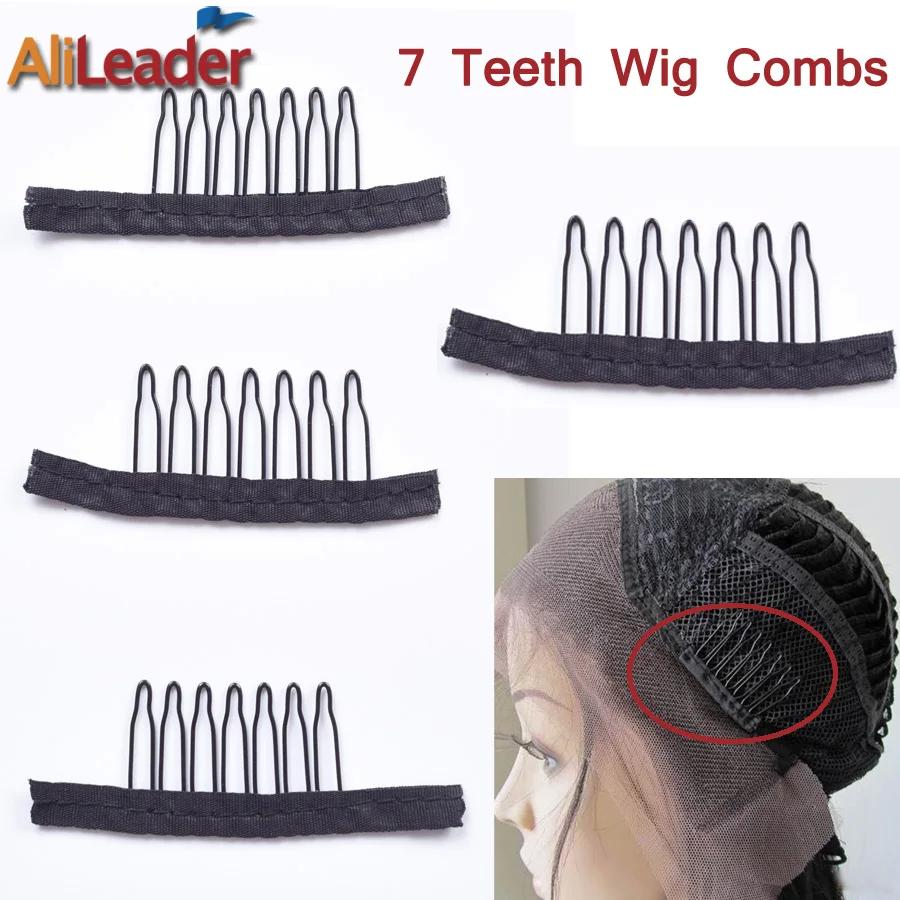
The composition of wig clips is essential for understanding their functionality and durability. Typically, wig clips are made from various materials, including metal and plastic, but the most common type is the spring-loaded metal clip. The metal used in these clips is often a lightweight alloy that provides strength and flexibility, ensuring they hold hairpieces securely in place without causing damage to the natural hair. Additionally, the attachment mechanism is designed for convenience, allowing users to easily open and close the clips with minimal effort.
In contrast, plastic clips, while lighter in weight, may not offer the same level of hold or durability. Here are some key differences between metal and plastic wig clips:
- Metal Clips: Long-lasting, secure hold, suitable for heavier wigs.
- Plastic Clips: Lightweight, easy to use, but may lack strength over time.
- Durability: Metal clips are generally more resilient to wear and tear.
- Comfort: Both types can be designed for comfort, but metal may feel slightly heavier.
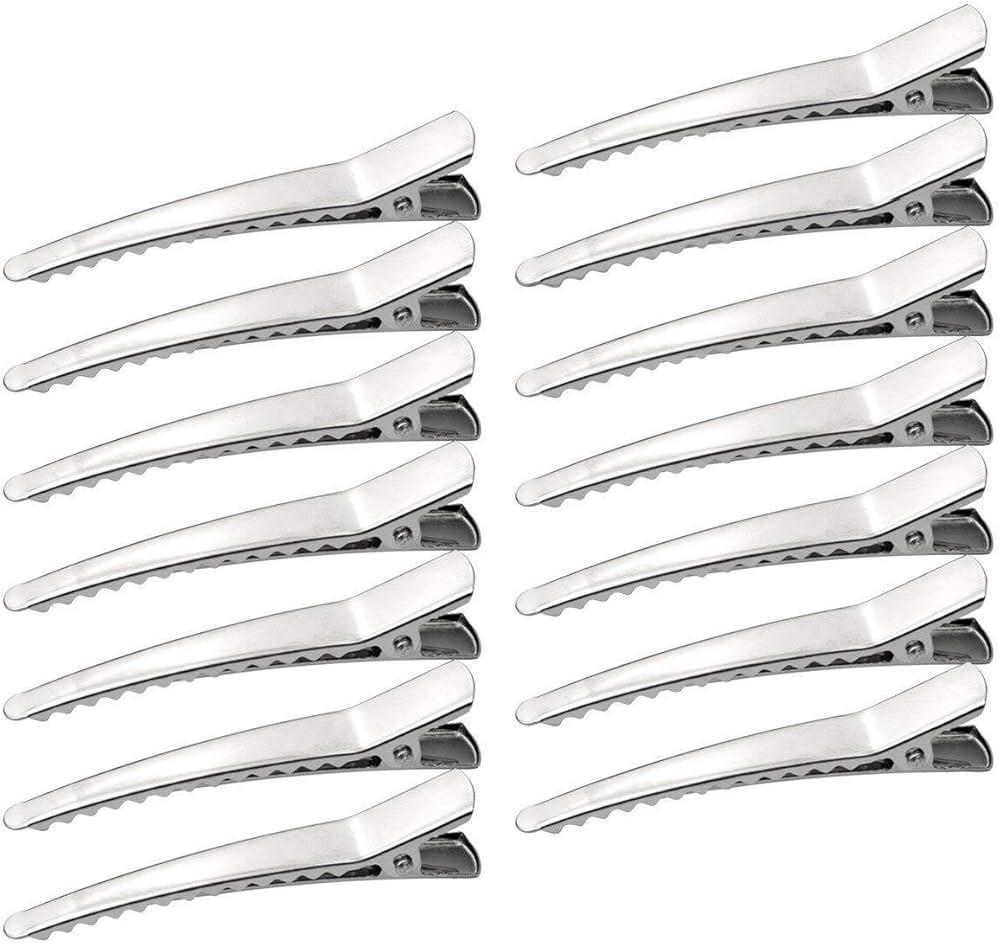
Evaluating the Benefits of Metal Wig Clips Versus Alternative Materials
When considering wig clips, metal options offer distinct advantages that enhance both functionality and longevity compared to alternatives. Durability is a primary benefit, as metal clips are less prone to wear and tear, ensuring they maintain their grip over time. They tend to withstand environmental factors such as humidity and temperature changes better than plastic or fabric-based clips, which may warp or degrade. Additionally, metal clips provide a secure hold that reliably keeps wigs in place, minimizing the risk of slippage during wear. This can significantly improve the user experience, especially in high-activity situations.
In terms of maintenance, metal clips are easier to clean and usually resistant to staining from hair products. This quality ensures they remain looking professional and can last through multiple uses. When comparing metal clips to other materials, one might take into account the following factors:
- Weight: Metal clips generally offer a balanced weight distribution that enhances comfort.
- Style: Available in various finishes, metal clips can be more aesthetically pleasing than their plastic counterparts.
- Cost-effectiveness: Although metal clips may have a higher initial cost, their durability often leads to lower long-term replacement expenses.
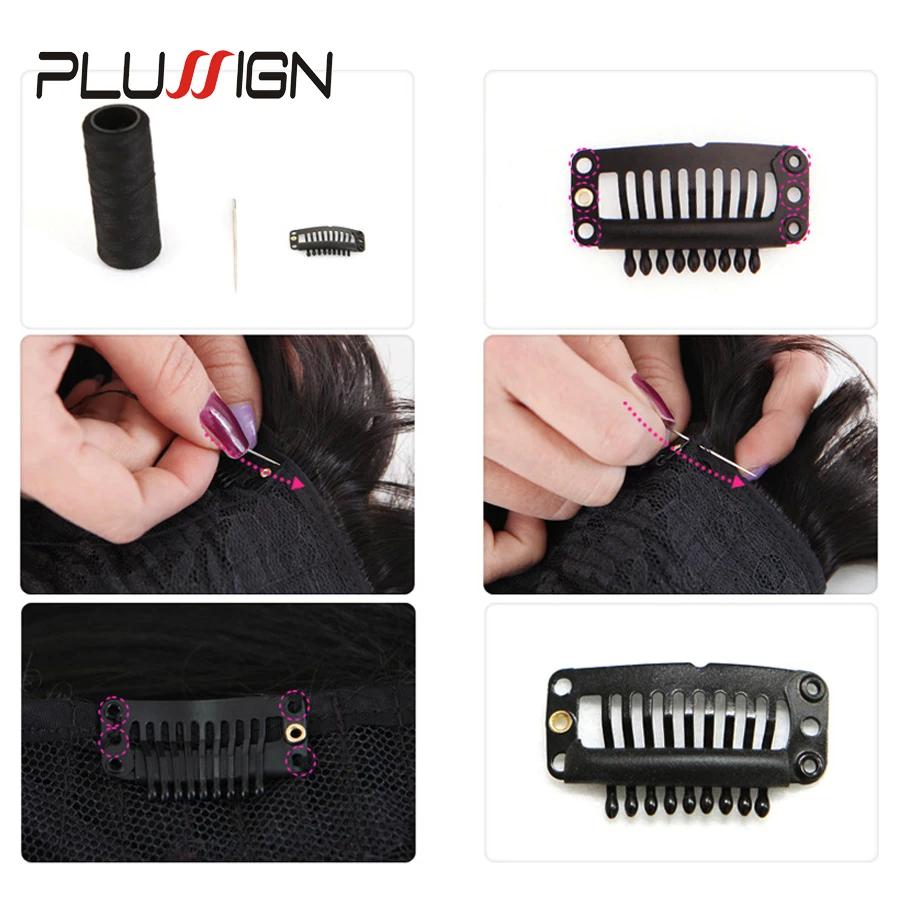
Best Practices for Selecting High-Quality Wig Clips
When it comes to selecting high-quality wig clips, there are several key factors to consider to ensure optimal performance and comfort. First, prioritize the material of the clips, as this significantly impacts their durability and usability. Look for clips that are made from high-quality materials such as stainless steel or nylon, as they tend to last longer and provide a more secure hold. Additionally, consider the width and design of the clips; those with a wider base distribute pressure more evenly across the scalp, reducing discomfort while wearing your wig.
Another crucial aspect is the ease of use and attachment mechanism of the wig clips. Opt for clips that feature a smooth opening and closing action, which will make it easier to apply and remove your wig without damaging your hair or the clips themselves. A well-designed clip should not only be effective but also aesthetic, blending seamlessly with both natural and synthetic hair. Lastly, ensure you choose clips with a finish that minimizes the risk of snagging or tangling, such as matte or textured finishes, which can enhance the overall experience of wearing your wig.
Maintenance and Care Tips for Prolonging the Life of Wig Clips
To ensure the longevity and optimal performance of wig clips, regular maintenance is essential. Start by cleaning the clips periodically to remove any accumulated dirt or hair product. Use a soft lint-free cloth or a gentle brush to wipe the clips down. Avoid harsh chemicals that can deteriorate the metal; instead, opt for a mild soap solution followed by thorough drying. Additionally, check the clips for any signs of wear and tear, such as rust or bending, which could compromise their functionality. If you notice any discrepancies, it’s prudent to replace them to maintain the integrity of your wig.
Storing your wig properly is another key aspect of care. When not in use, place your wig in a breathable storage bag or on a wig stand to prevent the clips from becoming misshaped. Excessive heat and humidity can also affect the clip’s material, so choose a cool, dry environment for storage. To maximize flexibility and prevent breakage, avoid applying excessive force when attaching or removing the clips from the wig. By adhering to these practices, you can significantly extend the lifespan and functionality of your wig clips, ensuring they serve you for a long time.
Final Thoughts
understanding the composition of wig clips is essential for both manufacturers and consumers within the hair extension and wig industry. While metal clips provide durability and strength, they may pose challenges such as potential hair damage and discomfort for the wearer. On the other hand, non-metal alternatives can offer a gentler option, though they may lack the same level of stability. As the market continues to evolve, it becomes increasingly important for stakeholders to prioritize the quality and material of wig clips to enhance user experience and satisfaction. By making informed choices, customers can select the appropriate clips that align with their needs, ensuring a seamless blend of comfort, style, and effectiveness in their wig-wearing experience. We encourage industry professionals to remain vigilant in their research and development efforts, as advancements in materials could lead to innovative solutions that cater to the diverse requirements of consumers.
