
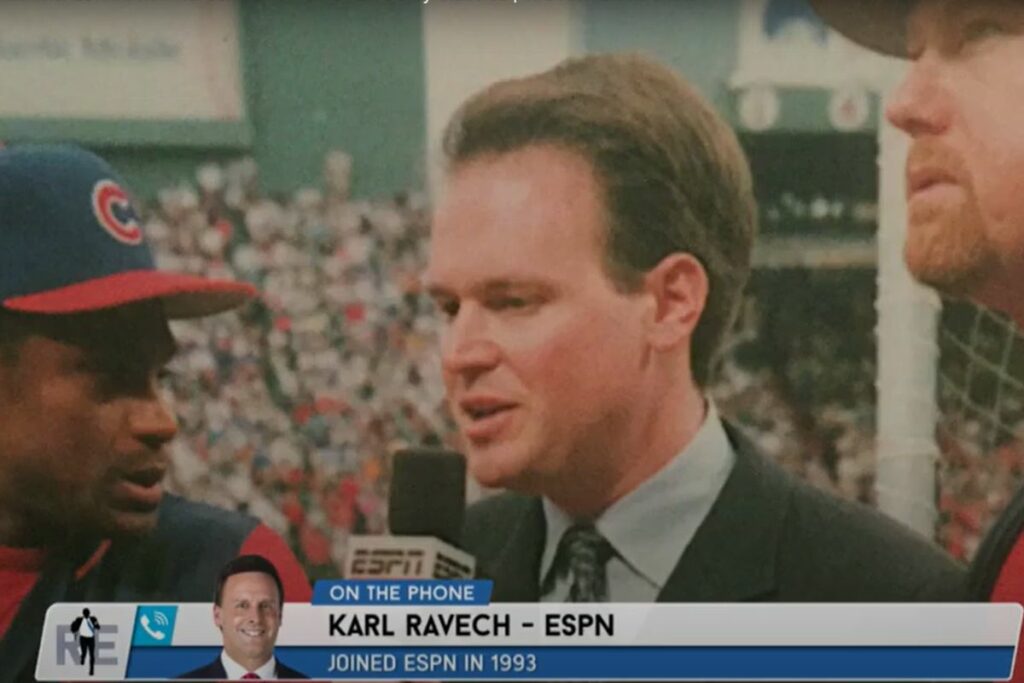
Title: Unraveling the Truth: Does Karl Ravech Wear a Wig?
Introduction:
In the realm of sports journalism, few personalities are as recognizable as Karl Ravech, the esteemed host of ESPN’s “Baseball Tonight.” With his insightful analysis and engaging presence, Ravech has established himself as a trusted figure in baseball broadcasting. However, discussions surrounding his appearance, particularly the speculation about whether he wears a wig, have sparked considerable curiosity among fans and viewers alike. This article aims to explore the origins of these rumors, examine the societal implications of hair and image in the media industry, and provide a comprehensive overview of Karl Ravech’s personal and professional journey. By addressing this topic with an analytical lens, we seek to clarify misconceptions while highlighting the broader context of image perception within the field of sports broadcasting.
Exploring the Speculations Surrounding Karl Ravechs Hair
The curiosity surrounding Karl Ravech’s hair has spurred various theories and discussions among fans and critics alike. Some speculate that his seemingly flawless mane is the result of advanced hair treatments or styling techniques, while others whisper about the possibility of a wig. Hair, especially in the high-profile world of sports broadcasting, can significantly impact one’s image, leading to further interest in what lies beneath the surface. This has led to a divided audience, where people support either the idea of natural hair or the inclusion of artificial enhancements.
In addition to the buzz, a closer examination of social media trends reveals a wealth of opinions on the subject. To categorize these various viewpoints, we can break them down as follows:
- Supporters of Natural Hair: A segment believes Ravech’s hair is entirely his own, attributing its vitality to good genetics and a healthy lifestyle.
- The Wig Theory: Another group suggests that his hair might be a carefully styled wig, noting the consistency in its appearance across broadcasts.
- Neutral Observers: Some audience members are indifferent, expressing that it doesn’t significantly affect their perception of his broadcasting capabilities.
To further illustrate the divide in public opinion, a table summarizing the differing beliefs has been provided below:
| Viewpoint | Description |
|---|---|
| Natural Hair Advocates | Emphasize genetics and lifestyle. |
| Pro-Wig Supporters | Argue that style consistency hints at artifice. |
| Indifferent Viewers | Care less about hair and focus on talent. |
Analyzing the Impact of Personal Appearance on Professional Image
In a profession where first impressions are pivotal, personal appearance can significantly influence the perception of credibility and competence. Individuals in media, such as Karl Ravech, often find themselves under scrutiny not just for their professional accomplishments but also for their look, which can be a reflection of their persona. While hair may seem like a trivial detail, it plays a substantial role in the overall message conveyed to both colleagues and audiences. A well-groomed appearance can enhance a sense of professionalism and authority, while any perceived discrepancies—such as the question of whether a public figure wears a wig—can lead to speculation that detracts from their professional image.
Moreover, the discussion surrounding personal appearance encompasses various factors that contribute to building a professional persona. Among these factors are:
- Consistency: Maintaining a cohesive image through attire and grooming helps to fortify a personal brand.
- Confidence: Confidence stemming from satisfaction with one’s appearance can enhance performance in professional roles.
- Relevance: Adapting one’s look to align with industry standards can facilitate acceptance and recognition within a specific field.
These considerations illustrate how personal appearance and its nuances can shape the way professionals are viewed within their industries, reflecting not only their personality but also their commitment to their role. The ongoing conversation around personal attributes—such as the speculation about wigs—underscores the intricate relationship between appearance and professional perception.
Examining the Role of Transparency in Public Figures Grooming Choices
In an era where public figures are increasingly scrutinized for their grooming choices, the question of whether Karl Ravech wears a wig has sparked a notable conversation. The concept of transparency in grooming not only pertains to personal style but also reflects broader societal expectations of authenticity. Public figures, like Ravech, who occupy a spotlight role, face an intersection of pressures: to maintain a polished image while also navigating the growing demand for genuine representation. This balance can create a complex dynamic where the choices made by individuals might be perceived through a lens of skepticism, especially when such decisions deviate from traditional norms.
This scrutiny often encourages public figures to either embrace or distance themselves from grooming enhancements. When examining Ravech’s grooming practices, it becomes essential to consider the implications of such choices, which can include:
- Personal Expression: Styling can be a form of self-identity.
- Market Expectations: The demands of media representation often dictate a certain aesthetic.
- Cultural Impact: How society perceives hair loss and restoration plays a role in acceptance.
Transparency might not only enhance personal brand trust but also impact their career longevity. The dialogue surrounding Ravech’s grooming decisions encapsulates the delicate balance between personal choice and public perception, where ultimately the choice to reveal or conceal grooming methods becomes a statement about authenticity itself.
Recommendations for Addressing Hair-Related Rumors in the Media
Addressing hair-related rumors, such as those surrounding public figures like Karl Ravech, requires a sensitive and strategic approach. Media outlets and journalists must prioritize accuracy by verifying claims before publication. To achieve this, consider implementing the following practices:
- Fact-Checking: Engage in rigorous fact-checking processes to confirm the authenticity of any statements or rumors regarding an individual’s appearance.
- Expert Opinions: Consult with professionals, such as dermatologists or hair specialists, when discussing hair-related issues to provide informed perspectives.
- Public Responses: Encourage public figures to address rumors directly and transparently, allowing them to control their narratives.
Moreover, fostering a culture of respect and understanding around personal choices related to hair can mitigate the spread of misinformation. Media platforms can enhance their credibility by adopting a responsible framework, including:
- Promotion of Positive Representation: Highlight diverse representations of hair and style choices to normalize varied appearances.
- Avoiding Sensationalism: Steer clear of sensational headlines that perpetuate stereotypes or unfounded speculation.
- Engagement with Audiences: Facilitate dialogue with audience members to educate them about the implications of spreading rumors.
To Conclude
the inquiry surrounding whether Karl Ravech wears a wig reflects a broader fascination with public figures and their personal choices regarding appearance. While we have explored various aspects of this question, it is essential to recognize that such matters are ultimately personal and subjective. Regardless of the truth behind the speculation, Ravech’s professionalism and contributions to sports broadcasting remain paramount. As viewers and fans, our focus should be on the quality of the insights he provides rather than the superficial elements of his appearance. As we continue to engage with the evolving landscape of media figures, let us prioritize respect and understanding, ensuring that our discourse remains grounded in professionalism.
